Browse Helix Models and Effects
Helix currently supports 111 amplifier models, 276 effects, 56 speaker cab models, and 16 microphones. On top of all that you also have the ability to load Impulse Responses (IRs) that you can grab from free or paid sources. Go have fun.
Brit SL100 (Various eras of the Marshall Plexi Superlead)
Released With Helix Stadium 1.4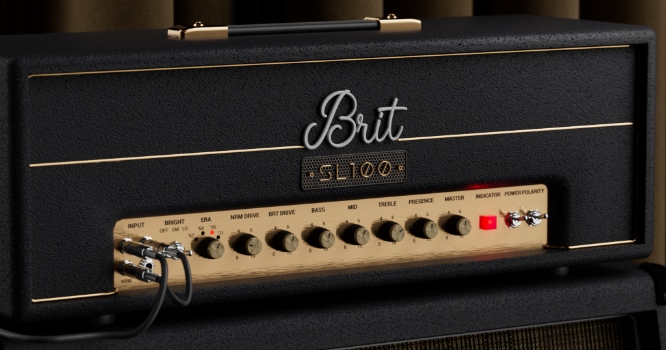
Used the "Milton Key" focus setting for the clean section, and "Newcastle" for the overdriven section. Recorded with a Fender Strat with a humbucker in the bridge position.
The Superlead circuit evolved over the years. In general, the preamp circuit gradually got more gain as time went on. Also, the bright channel got brighter over the years; first by cutting more bass with cathode bypass caps and changing coupling caps, followed by adding a treble boost shelf cap, and finally by the choice of the bright cap on the bright channel volume knob.
In the power amp, the negative feedback and the presence circuits changed, which also allowed for more gain and the potential for more treble boost in the power amp circuit.
These changes happened between 1967 and 1974. Also, there was no hard line where things changed. Marshall seemed to build with what they had on hand. Sometimes the 0.0022uf bright channel coupling cap in a 1971 year amp would be 0.022uf, which was more like the earlier versions, and it would be a bossier amp. Sometimes the bright cap on the volume knob wouldn’t be there. Other times, they would be an unexpected value for the year that the amp was made.
The one place where we decoupled our model from reality is the Bright Cap control. We give the user the option of none, or the four most popular values found in the amp over the years. We did this because adding, removing, or changing the value of the bright cap was a popular modification. For instance, we are fairly certain that our Plexi at Line 6 had its bright cap removed PROBABLY sometime in the 70s or 80s. We love the sound of the amp as is, but to many Marshall purists, it’s “wrong.” So now the user can tweak the bright value unit they’re happy with the result.
This is also why we don’t have a ’74 model year in the Eras amp. The only difference between the ’71 and the ’74 is the value of the bright cap on the bright channel volume knob.
Some personal insight: I’ve known about these variations of the Superlead circuit for years, but I don’t have a lot of hands-on experience. Playing this model enlightened me. My preconceived notion is that the bright channel would just be brighter and louder as the years and bright cap values increase. Technically this is true. However, the following gain stage distorts very easily. The result is much more like the classic “add a treble booster” trick that Brian May or Tony Iommi used. The amps don’t sound much brighter, but they just get a LOT more crunch in the upper midrange and tighter on the bottom end.
For me, it was like turning the amp from vintage 60s to dirty, jean-jacket rock of the mid 70s. I love it so much. It really is a great example of how much the attitude of an amp can change if you just add—or change—3 or 4 components.
- Ben Adrian, Line 6 Sound Design Manager
Description source: Line 6
Image source: Line 6
Comments
There are no comments for this yet.
Some Products That We Love
Brought to you by the Fluid Solo department of CommerceAn Extremely Affordable & Giggable Axe
This very affordable guitar is getting great reviews online for its build quality and tone.

Last seen around $179 dollars
Affordable In Ear Monitors that Sound Great
These affordable in-ear monitors pack a lot of punch for the price. We use them at rehearsal and they sound terrific and have nice features like detachable and replaceable cables.

Last seen around $18
Put Some Pedal Toppers On!
Pedal toppers make switching easier by giving you more surface area for your feet.
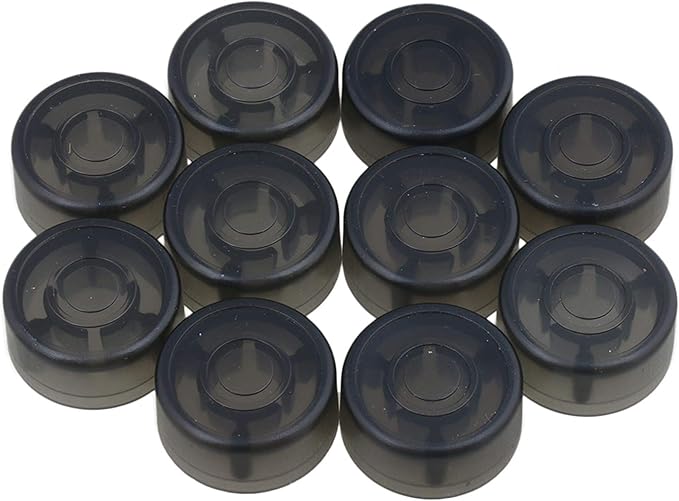
Last seen around $9 for a ten-pack